Comprehensive Drainage Solutions for Storm Season Preparedness
Sydney's North Shore is known for leafy streets, established tree canopies and homes built on sloping blocks. Those same features make stormwater management a serious responsibility for property owners. When an east coast low or a summer thunderstorm sweeps through, a roof and drainage system can be asked to handle an enormous volume of water in a short time. Comprehensive drainage solutions are about more than a clean gutter. They treat the roof, gutters, downpipes, stormwater lines and ground levels as a single system that protects your building envelope from water damage.
This guide explains how to prepare a North Shore property for storm season in 2026, from the roofline down to the foundations, and what to look for when deciding between maintenance, repair and replacement.
Why Storm Preparedness Matters on the North Shore
Suburbs such as Lane Cove, Chatswood, Pymble, Turramurra, Mosman and Wahroonga have a combination of mature trees, older housing stock and steep topography. Each of these affects how water behaves during heavy rain.
- Tree debris: Eucalypts, jacarandas and liquidambars drop leaves, bark, seed pods and flowers that quickly clog gutters and valleys.
- Sloping blocks: Water moves fast downhill and can pool against retaining walls, garages and subfloor areas if it is not directed away.
- Older homes: Many established properties still have original gutters, joins and downpipes that have worn or sagged over decades.
- Intense rainfall events: Short, heavy bursts overwhelm undersized or partially blocked systems, causing overflow behind fascias and into eaves.
Overflowing water can rot fascia boards, stain walls, damage ceilings, undermine paths and, in serious cases, affect foundations. Good exterior water management reduces the likelihood of all of these problems.
Start at the Top: Roof Condition and Cleaning
Water management begins on the roof surface. Moss, lichen, algae and accumulated debris hold moisture against roofing materials and release grit and organic matter into gutters every time it rains.
Why Roof Cleaning Supports Drainage
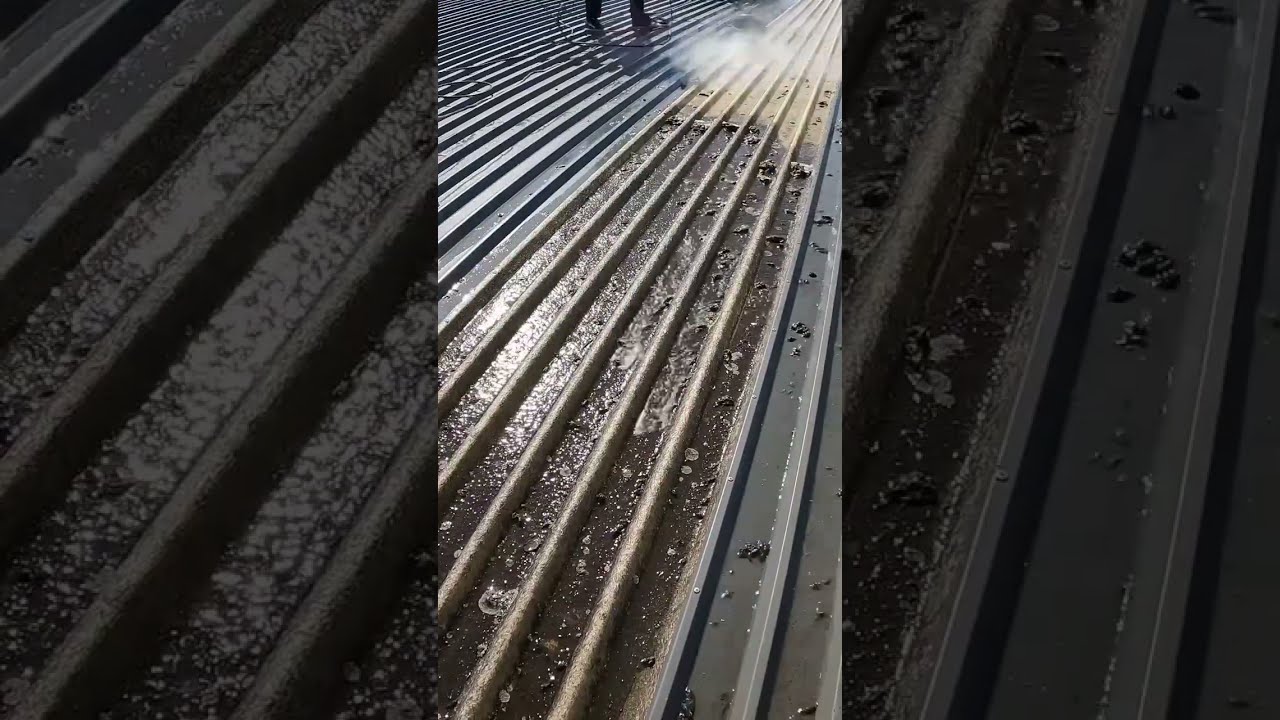
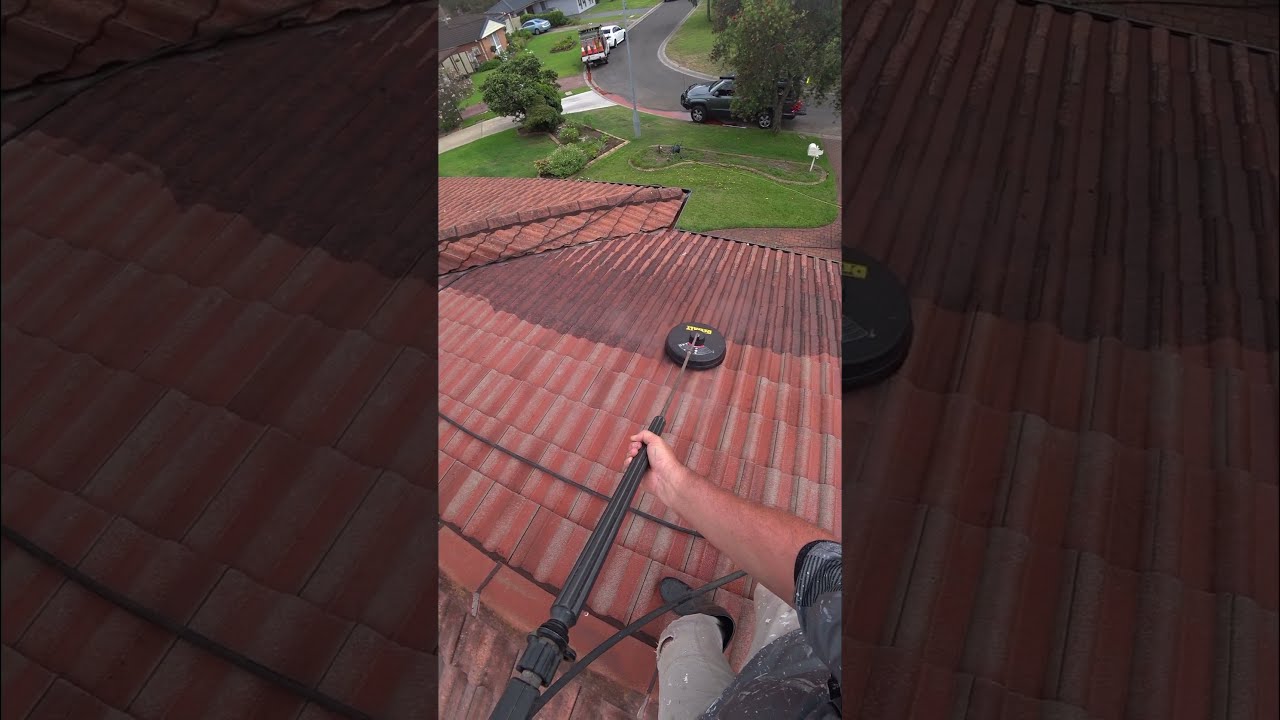
Expert roof cleaning removes the growth and sediment that otherwise washes into your gutters and downpipes. For tile roofs, a build-up of moss can also lift or displace tiles over time, creating pathways for water. For metal roofs, particularly Colorbond roof cleaning, the focus is on removing dirt, salt, pollutants and organic growth without damaging the coating. Harsh pressure or the wrong chemicals can shorten the life of the finish, so it pays to use a method suited to the material.
Many North Shore homeowners now look for eco-friendly roof cleaning methods that protect gardens, waterways and the harbour catchment. Low-pressure washing and biodegradable treatments help keep runoff gentler on the environment. Properties with large or multi-storey buildings may need commercial roof cleaning, where access, safety systems and wastewater controls are an important part of the job. A certified roof cleaning provider can explain what products and methods they use and how they manage runoff.
Exterior Washing and Moisture Control
Exterior roof washing and exterior home washing are often combined with gutter work before storm season. Clearing algae and mould from walls, eaves and paths improves safety and helps with exterior moisture control, because damp, shaded surfaces stay wet longer and encourage further growth. This kind of home exterior protection is a practical step before the wetter months arrive.
Gutter Cleaning and Maintenance
Regular gutter cleaning is the single most effective low-cost step for storm readiness. https://marioixqy945.image-perth.org/sustainable-roof-maintenance-clean-energy-technology-benefits On tree-heavy North Shore streets, many properties benefit from cleaning at least twice a year, with an additional check after major storms or strong winds.
A sound gutter maintenance routine includes:
- Removing leaves, silt and debris from the full length of every gutter, including valleys and box gutters.
- Flushing downpipes to confirm water flows freely to the stormwater connection.
- Checking for sagging sections, open joins, rust spots and loose brackets.
- Inspecting fascia boards for soft spots or staining that could indicate hidden leaks.
- Confirming that gutters fall gently toward downpipes so water does not pond.
- Checking outlets, rainwater heads and overflow provisions for blockages.
Standing water in a gutter is a warning sign. It adds weight, accelerates corrosion and provides a breeding spot for mosquitoes.
Gutter Protection and Gutter Guards
If you are tired of climbing ladders or live beneath heavy tree cover, advanced gutter protection can reduce how often blockages occur. Options include mesh screens, perforated metal covers and micro-mesh systems. Gutter guard installation does not remove the need for inspection, but it can significantly cut the amount of coarse debris entering the system.
When considering gutter protection, keep these points in mind:
- Choose a product compatible with your roof type and gutter profile.
- Check that it suits Australian conditions, including high UV exposure and, in some areas, bushfire ember requirements.
- Understand that fine debris, pollen and shingle grit can still accumulate on or beneath guards over time.
- Ensure installation does not alter roof flashing, void roofing warranties or restrict water flow in heavy rain.
In bushfire-prone parts of the North Shore, such as areas bordering bushland reserves, ember-resistant mesh may be an important consideration. Check current requirements with your local council or a qualified professional.
Gutter Repair, Replacement and Installation
When Repair Is Enough
Minor faults can often be fixed without replacing the entire system. Gutter repair is typically suitable for isolated leaks, loose brackets, small holes and failed sealant at joins. Specific jobs include gutter downspout repair for cracked, detached or blocked downpipes, and aluminum gutter repair for dents, separated sections or fatigue at joins. A broader gutter system repair may be worthwhile if several issues are present but the overall material is still sound.
When Replacement Makes Sense
Gutter replacement is usually the better investment when:
- Rust has perforated large sections of steel gutter.
- Gutters regularly overflow because they are undersized for the roof area.
- Falls are incorrect and cannot be adjusted.
- Repairs are becoming frequent and costly.
- You are re-roofing, extending or renovating and want matching, compliant drainage.
Expert gutter installation involves calculating roof catchment area, selecting an appropriate gutter profile and downpipe count, setting correct falls and ensuring connections to the stormwater system comply with relevant standards. Oversized gutters or additional downpipes can be a sensible upgrade for homes that experience repeated overflow in heavy storms. Taking a comprehensive gutter solutions approach means considering the whole roof plane, not just individual faults.
Material Choices
Different materials suit different properties:
- Colorbond steel: Popular, durable and available in a wide colour range to match roofing and trims.
- Aluminium: Lightweight and corrosion resistant, suitable for coastal or humid conditions.
- Copper: Long-lasting with a distinctive appearance. Copper gutter installation is often chosen for heritage homes and high-end renovations.
- Custom profiles: Heritage and architectural properties may need specially formed sections to match original details.
The Role of Custom Metal Fabrication
Many North Shore homes have unusual rooflines, parapets, box gutters or heritage details that standard off-the-shelf products do not fit. This is where custom metal fabrication becomes valuable. Fabricators using CNC metal cutting and precision folding can produce flashings, rainwater heads, sumps, overflow chutes and bespoke gutter sections to exact dimensions.
Providers offering custom metal engineering and comprehensive metal services can design components that fit existing structures neatly and improve water flow. Expert metal manufacturing and advanced metal production methods help ensure consistent quality, tight tolerances and clean finishes, which matter when a small gap or poor seam can allow water into the building envelope.
Managing Water Beyond the Gutters
Even a perfect gutter system fails if the water it collects is released in the wrong place. Foundation water diversion directs runoff away from the house and prevents saturation of the soil next to footings and subfloor areas.
Practical measures include:
- Connecting downpipes to the stormwater system or approved discharge points rather than letting them spill beside walls.
- Checking that paths, paving and garden beds slope away from the building.
- Installing or clearing surface drains, grated channels and agricultural drains where water tends to collect.
- Maintaining pits and pipes so that tree roots and silt do not restrict flow.
- Considering rainwater tanks to capture roof runoff and reduce peak discharge, subject to local requirements.
These steps form part of a broader comprehensive drainage solutions plan and are especially important on sloping blocks where uphill neighbours' runoff may also affect your property. For complex issues, a licensed plumber, drainer or engineer can assess levels and recommend appropriate works.
Commercial Properties and Strata Buildings
Apartment blocks, retail centres, schools and industrial buildings on the North Shore face the same weather but with larger roof areas and higher consequences when drainage fails. Commercial gutter services often involve safe working at height, scheduled maintenance programs, box gutter clearing, roof access systems and detailed reporting. Strata managers and facility managers benefit from planned inspections before storm season and after significant weather events, which can help control repair costs and reduce liability.
Solar Panels and Storm Season
Solar is now a common feature on North Shore rooftops, and it interacts with drainage and roof maintenance in several ways. Panels can change how water runs across a roof, and debris can collect around panel edges and in the gutters below. Anyone considering or already using solar should factor drainage and cleaning access into their plans.
Solar and Roof Maintenance
Choosing expert solar panel services for installation and servicing helps ensure that mounting, flashing and cabling do not compromise roof waterproofing. Before storm season, it is sensible to:
- Have panels, mounts and cabling inspected for loose fittings or wear.
- Clear leaves and debris that accumulate around panel edges.
- Check that gutters beneath arrays are free-flowing, as panels can concentrate runoff in specific areas.
- Use cleaning methods approved by the panel manufacturer to avoid damaging coatings or voiding warranties.
Understanding Solar Options in 2026
Interest in clean energy technology and green energy technology continues to grow across Sydney. Residential and business owners are exploring advanced solar technology, battery storage and energy efficiency solutions to reduce power bills and reliance on the grid. Most homes use grid-tied solar panels, which feed surplus electricity back to the network and draw from it when needed. This form of electrical energy conversion turns sunlight into usable household power through panels and an inverter.
For larger sites, commercial solar panels can offset significant daytime energy use. Providers offering custom solar solutions, comprehensive solar solutions and advanced solar services can size a system around your roof, consumption patterns and budget. Some owners also explore alternative energy sources and comprehensive energy solutions that combine solar generation, storage and efficient appliances. If you plan to install solar, coordinate it with any roof cleaning, gutter replacement or re-roofing work so that tasks are done in the right order and access is safe. Rules, incentives and technology options change over time, so check current information as you plan for 2027 and beyond.
Building a Pre-Storm Checklist
A simple seasonal routine makes storm preparation manageable. Consider scheduling a combined service that covers roof, gutters and drainage in one visit. Comprehensive roof cleaning paired with gutter cleaning, minor repairs and downpipe checks can be efficient and cost-effective. Key actions include:

- Trim overhanging branches to reduce debris and the risk of limb damage.
- Clear roof surfaces, valleys and gutters of debris.
- Repair or replace damaged gutters, brackets, downpipes and flashings.
- Check roof tiles, ridge capping and sheet fixings for looseness.
- Inspect stormwater pits, grates and drains for blockages.
- Look inside the roof space after rain for signs of leaks or damp.
- Secure outdoor items that could block drains or become projectiles in high winds.
Safety Considerations
Working on roofs and ladders is one of the leading causes of serious home maintenance injuries. Wet leaves, moss and steep pitches make surfaces slippery, and gutters are not designed to support ladder loads. For multi-storey homes, steep roofs or any work near power lines, engage a qualified professional with appropriate safety equipment and insurance. Never attempt gutter or roof work during or immediately after a storm.
Choosing a Local Service Provider
When selecting a contractor on the North Shore, look for:
- Relevant licences and insurance, including public liability and workers compensation where applicable.
- Clear written quotes that describe scope, materials and warranties.
- Experience with your roof type, whether tile, Colorbond, slate or heritage materials.
- Knowledge of local council requirements, stormwater connections and bushfire considerations.
- Reviews, references or examples of similar completed work.
A provider who can assess the entire system, from roof surface to ground drainage, will usually give more useful advice than one who only addresses a single symptom.
Conclusion
Storm season preparedness on Sydney's North Shore is a matter of coordinated, proactive maintenance. Clean roofs, well-maintained gutters, properly sized downpipes and effective ground drainage all work together to move water safely away from your home. Whether you need routine gutter cleaning, targeted gutter repair, full gutter replacement, custom metalwork or a plan that integrates solar and roof care, addressing issues before the heavy rain arrives protects your property and your peace of mind. Book inspections early in 2026, address small faults promptly and review your drainage plan regularly so your home is ready for whatever the season brings.
North Shore Roof Cleaning Pros
5/14 Starkey St, Forestville NSW 2087, Australia
(02) 5839 5963